Superdrug Sees Unprecedented 65-Fold Surge in Meningitis Vaccine Demand Amid UK Outbreak
The UK is currently grappling with a concerning rise in meningitis cases, particularly in Kent, prompting a significant surge in public anxiety and an extraordinary leap in demand for private Meningitis B (MenB) vaccinations. High street pharmacy giant Superdrug has reported an astonishing 65-fold increase in bookings for its meningitis vaccine service this week compared to the previous one, reflecting widespread parental and individual concern.
This dramatic spike directly follows the UK Health and Security Agency's (UKHSA) confirmation of an "explosive" outbreak in Kent, now investigating 20 cases that have tragically resulted in two deaths. While health authorities have initiated targeted vaccination programmes in specific areas, the broader public is increasingly turning to private providers like Superdrug to secure protection, leading to an immediate strain on vaccine availability.
Navigating the "National Shortage": Superdrug's Response and Broader Implications
The sudden rush for vaccinations has predictably led to supply challenges across the nation. Superdrug has proactively implemented a waiting list for the MenB vaccine, acknowledging a "national shortage" on its website and assuring customers that it is "working with suppliers to secure more doses." This move mirrors actions taken by other major pharmacies, such as Boots, which has introduced a queuing system for its vaccination service webpage due to high demand.
The impact of this surge isn't confined to major chains. Independent pharmacies, especially those in Kent, are also reporting dwindling supplies. Medway Pharmacy, for instance, confirmed it had only a few doses left, with staff noting a "quite high" demand and a torrent of calls from anxious parents. Many parents express concern for young children who may have missed routine vaccinations or older children now deemed at risk.
Compounding the anxiety, reports of alleged price-gouging for vaccines emerged, with some pharmacies reportedly offering doses for "several hundred pounds." While these claims have been met with strong condemnation, labelled as "immoral" profiteering by politicians, they underscore the desperate measures some are willing to consider amid perceived scarcity.
However, it's crucial to note a nuanced perspective from the UKHSA, which has stated that "there are sufficient MenB vaccine stocks." The agency adds that it "will work with local resilience partners to ensure effective distribution." This suggests that the current challenge might be less about an absolute lack of vaccines and more about the logistical hurdles of rapidly distributing existing stock to meet an unanticipated, concentrated surge in demand at private points of access. For more insights into Superdrug's response to these challenges, you can read about how the Superdrug Meningitis Vaccine: Shortage Prompts Waiting List.
The MenB Vaccine Divide: Private Access vs. NHS Eligibility
The current situation highlights a critical divide in access to the MenB vaccine. Since 2015, the MenB vaccine has been routinely offered on the NHS as part of childhood immunisation programmes for babies. This successful programme covers a significant portion of the youngest population. However, it inadvertently creates a gap for older children, schoolchildren, and university students who were not eligible for the routine jab at the time and are therefore unprotected.
This demographic gap is precisely why private providers like Superdrug have become a focal point during outbreaks. Superdrug offers the MenB vaccine privately, catering to children from the age of two months and adults up to 50. A full course typically requires two to three doses, each priced at approximately £110, bringing the total cost for a complete vaccination course to a substantial sum. This financial barrier naturally raises concerns about "unequal access" to protection based on an individual's ability to pay, a point health experts have been quick to highlight.
In response to the current outbreak and public concern, Labour's Shadow Health Secretary, Mr. Streeting, has formally requested the Joint Committee on Vaccination and Immunisation (JCVI) to "re-examine eligibility for meningitis vaccines" for a broader age group. This comes after the JCVI previously concluded that a MenB catch-up campaign for older children would not be cost-effective. The ongoing debate underscores the tension between public health demand, individual protection, and resource allocation. Delve deeper into the private access and cost implications by reading Superdrug MenB Vaccine: Private Access, High Cost, Limited Supply.
Beyond the Hype: Expert Perspectives and Public Health Strategy
While the immediate public reaction is driven by concern for individual safety, public health officials and epidemiologists offer a broader, often more pragmatic, perspective. Professor Keith Neal, an expert in the epidemiology of infectious diseases at the University of Nottingham, notes that the MenB vaccine is "an expensive vaccine, and there are better things to spend the NHS budget on." He also points out crucial limitations: the MenB vaccine does not cover all Group B strains, and unlike the MenACWY vaccine (which prevents bacterial carriage), the MenB vaccine does not prevent individuals from carrying the bacteria, meaning it primarily protects the vaccinated individual rather than preventing transmission within the wider population.
These expert opinions inform public health strategies, such as the targeted vaccination programme for students living at Canterbury halls of residence – a focused approach rather than a nationwide rollout. This strategy aligns with the understanding that while individual vaccination is beneficial, broader public health interventions often require a careful balance of cost-effectiveness, disease prevalence, vaccine efficacy against transmission, and equitable access.
What You Need to Know: Practical Advice Amidst Surging Demand
For individuals and families concerned about meningitis, navigating the current landscape of high demand and evolving information can be challenging. Here are some practical steps and considerations:
- Check NHS Eligibility First: If you have young children, confirm their MenB vaccination status through their Red Book or by contacting your GP. Babies born after July 2015 should have received their routine MenB jabs.
- Contact Superdrug (and other providers) for Waiting Lists: If you or an older child falls outside the NHS eligibility criteria and you wish to pursue private vaccination, contact Superdrug or other private pharmacies (like Boots) to inquire about their waiting lists. Be prepared for potential delays and understand the full course cost.
- Understand the Vaccine: Be aware that the MenB vaccine protects against specific strains and primarily safeguards the vaccinated individual, not necessarily preventing transmission to others. It's a two-to-three-dose course.
- Stay Informed: Follow official guidance from the UKHSA and your local health authorities. Information regarding outbreaks and vaccination recommendations can change rapidly.
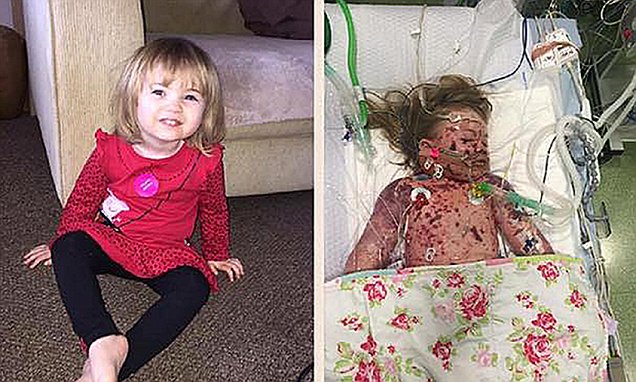
- Know the Symptoms: Vaccination, while crucial, is not 100% effective against all forms of meningitis. Remain vigilant for symptoms of meningitis and septicaemia, which include a high fever, headache, stiff neck, dislike of bright lights, drowsiness, joint pain, vomiting, and a rash that doesn't fade when a glass is rolled over it. Seek immediate medical attention if you suspect meningitis.
- Beware of Unscrupulous Practices: Be wary of any provider offering vaccines at excessively inflated prices, especially if they cannot provide legitimate proof of sourcing or qualified medical staff.
- Consult Your GP: For personalised medical advice, especially if you have specific health concerns or questions about vaccine suitability, always consult your General Practitioner.
Conclusion
The 65-fold surge in demand for the Superdrug Meningitis Vaccine underscores a critical intersection of public health concern, individual proactive measures, and the limitations of current public health policy. While outbreaks like the one in Kent understandably fuel public anxiety, it's vital to balance this with expert perspectives on vaccine efficacy, cost-effectiveness, and equitable access. As Superdrug and other pharmacies work to meet this unprecedented demand, vigilance, informed decision-making, and adherence to official health guidance remain paramount for safeguarding public health.